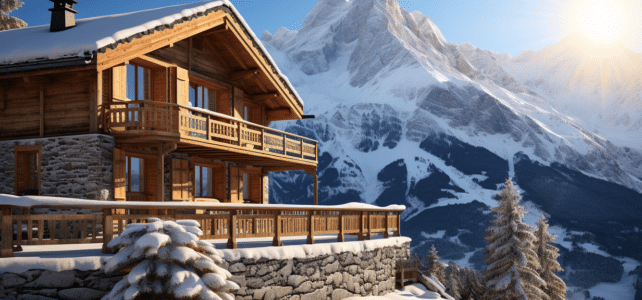
In the heart of the Alps, architecture stands as a testament to human ingenuity in the face of nature’s challenges. Alpine architectural techniques, inherited from centuries of craftsmanship, reveal well-kept secrets adapted to extreme climatic conditions and rugged terrain. From wooden chalets designed to withstand heavy snow loads to contemporary advancements where glass and steel blend harmoniously with the landscape, these construction methods embody a balance between tradition and innovation. Studying these practices offers a fascinating insight into the relationship between humans and their ever-evolving environment.
The Foundations of Traditional Alpine Architecture
Within the majestic mountain ranges, traditional alpine architecture has been shaped over the centuries, uniting practicality and aesthetics in a constant dialogue with the environment. Alpine chalets, emblems of this architecture, embody an adaptation to the rigors of the climate and steep terrains. These dwellings, where wood and stone prevail, testify to the ingenious use of local building materials, selected for their resilience and availability close to construction sites.
The design of typical alpine houses responds to specific functional imperatives, where each architectural element serves a particular purpose. Pitched roofs, sloped to facilitate snow runoff, are often crowned with a slate roof, a traditional flat stone that ensures insulation and durability. Functional balconies, once used for drying crops and laundry, now offer spectacular views while retaining their practical aspect.
The sustainable architecture of the Alps finds its roots in these ancestral practices, where resource efficiency combined with harmonious integration into the landscape. From traditional Savoyard chalets to single-story or multi-story houses, the diversity of styles reflects remarkable adaptability to local conditions. This architecture, the result of accumulated empirical knowledge passed down through generations, continues to inspire modern alpine construction, aware of the heritage it perpetuates and the challenges it must face.
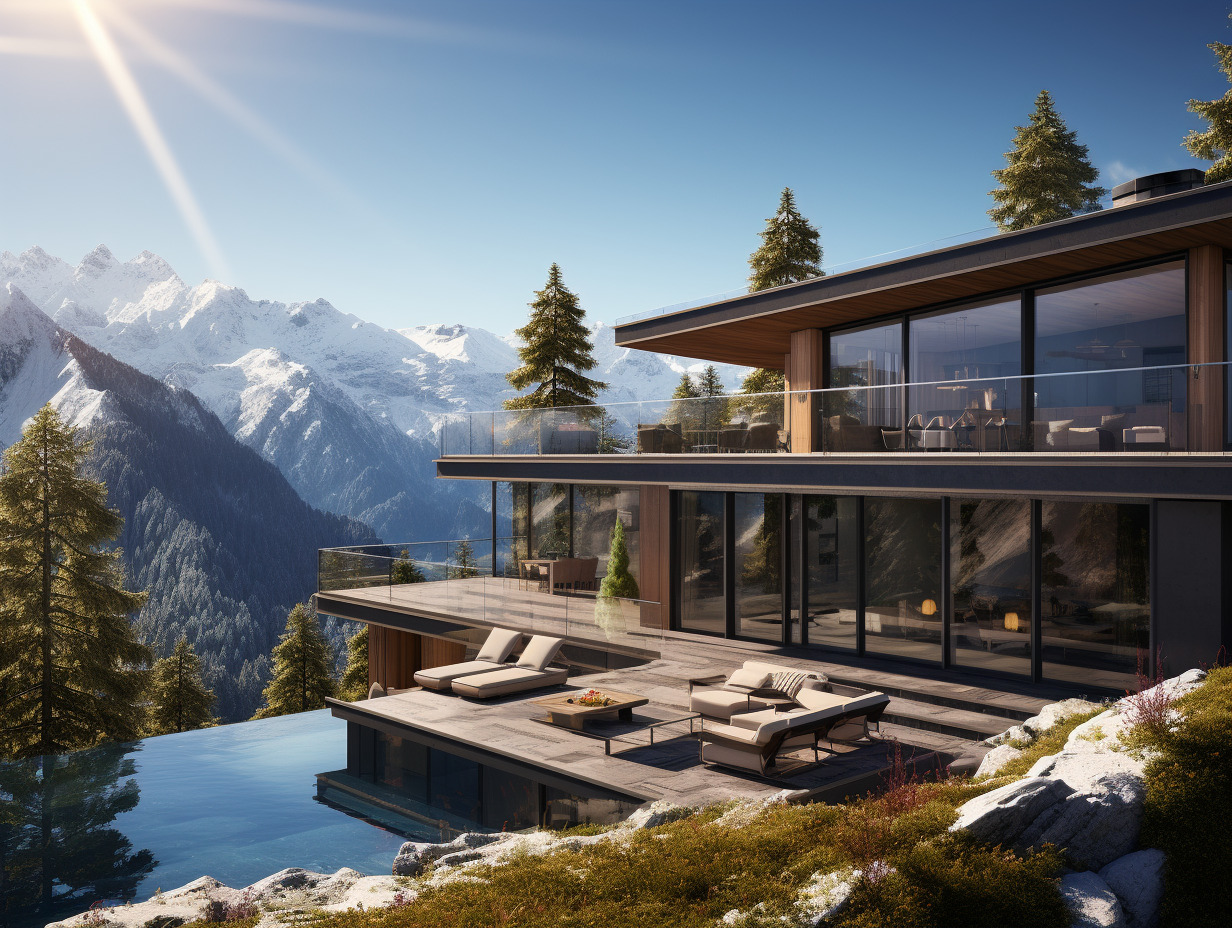
Innovation and Sustainability in Contemporary Alpine Architecture
In the ongoing quest to harmonize tradition and modernity, modern alpine architecture is constantly reinventing itself. Ski vacations, once simple winter getaways, have become luxury experiences requiring accommodations that meet the expectations of a discerning clientele. This has spurred the modernization of chalets, which now combine contemporary design with advanced features such as spas and wellness areas.
At the heart of this evolution, the real estate market in the Alps is experiencing a complex dynamic, attracting buyers from around the world, drawn by the prospect of owning a residence in these idyllic settings. Prices fluctuate, from the prestige market to more accessible opportunities, but always, local urban planning councils ensure that this development occurs with respect for the alpine architectural heritage.
The local councils in the Alps, guardians of the delicate balance between innovation and tradition, work to ensure that the modernization and expansion of alpine areas take place without sacrificing the soul of the places. These entities meticulously regulate real estate development, requiring that every new building integrates appropriately into the surrounding landscape.
The combination of design and essential services has elevated ski chalets to new realms of glamour and comfort. However, contemporary alpine architecture does not stray far from its roots: it draws from local heritage the substance of its identity, perpetuating a symbiosis between humans and nature, a timeless characteristic of the high alpine valleys.