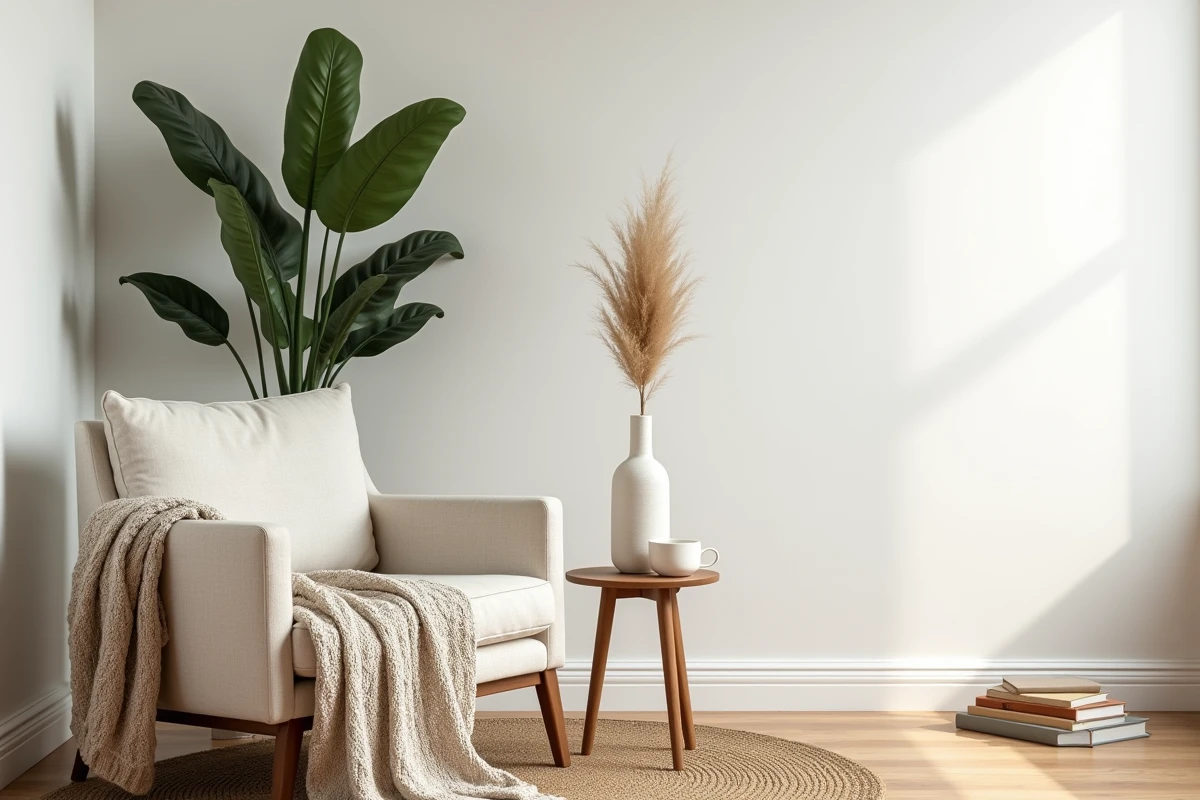
Wellness decoration is based on mechanisms documented by research in neuro-architecture: natural light, curved shapes, raw materials, and views of nature reduce the activity of brain regions associated with stress. Applying these principles in an ordinary home is not just a passing decorative trend. It involves working on the concrete parameters of space, from acoustic treatment to color choices, which produce measurable effects on emotional regulation.
Indoor Acoustics: The Forgotten Parameter of Wellness Decoration
Indoor noise directly affects the level of stress felt in a home. The WHO reports that chronic exposure to domestic noise beyond certain thresholds is correlated with increased stress, sleep disturbances, and mental fatigue. This observation also applies to remote work, where reverberation in a poorly treated room degrades concentration over several hours.
Technical guides published in France by CSTB and CEREMA between 2022 and 2023 detail the role of soft coverings, thick curtains, carpets, and wall panels in reducing reverberation. Specifically, a tiled living room with smooth walls reflects sound aggressively. Adding a thick rug, lined linen curtains, and one or two wall-mounted textile panels radically changes the perceived sound comfort without heavy renovations.
To create a harmonious interior, the approach proposed by Happy Space integrates this often-overlooked dimension by combining visual layout and acoustic comfort in the same project.
- A long-pile rug or cork flooring absorbs impact noise and reduces reverberation in living spaces.
- Thick curtains made of natural fibers (linen, heavy cotton) dampen both external noise and internal resonance while filtering light.
- Wall panels made of felt or recycled fibers, placed behind a desk or in a hallway, treat areas where sound bounces the most.
Biophilic Design in Housing: Beyond Green Plants
Biophilic design is not just about placing a ficus in a corner. The Biophilic Design Initiative has been documenting the spread of this approach in residential projects since 2022, with a focus on mental wellness that goes beyond the simple “nature decor” found in magazines.
The idea is based on a verifiable principle: organic shapes and views of nature reduce stress-related activity. Research in neuro-architecture confirms that specific parameters produce this effect, particularly natural light, raw materials, and curves preferred over sharp angles.
Applying Biophilic Design Without a Designer’s Budget
The first lever is to clear the windows. A tall piece of furniture placed in front of a source of natural light negates part of the room’s benefit. Moving this piece of furniture costs zero euros and changes the perception of the space.
The second lever concerns visible materials. Replacing a laminate surface with raw wood or natural stone alters the sensory response to touch and sight. A solid oak tabletop, a stone countertop, and unvarnished wooden shelves are enough to anchor a room in an organic register.
The third lever focuses on patterns. Textiles printed with plant-like or geometric shapes inspired by nature (leaf veins, ripples, fractals) produce an effect comparable to the presence of real plants, according to research in neuro-architecture. Cushions, throws, and curtains provide a discreet way to integrate these patterns without overwhelming the room.
Colors and Natural Light: What Color Psychology Changes Practically
Blue and green tones are documented for their calming effect on mood. Their appearance changes radically depending on the available light. A deep blue in a north-facing, dimly lit room turns gray and produces the opposite effect of what is desired.
Testing a color in the actual light of the room at different times remains the only reliable method before painting an entire wall. Paint samples placed on the floor or taped to the wall for two or three days allow for observing variations between morning, afternoon, and evening artificial lighting.
Combining Wall Shades and Ambient Lighting
Natural light sets the mood of the room during the day. In the evening, artificial lighting takes over, and a common mistake is to use a single cold-temperature ceiling light. Multiplying warm-temperature light sources (table lamps, wall sconces, dimmable LED strings) recreates an enveloping atmosphere that extends the effect of the calming colors chosen for the walls.
A sage green wall paired with two brass lamps placed at seating height creates a coherent visual cocoon. The same shade under a desk neon loses all its softness. Lighting arrangement is an integral part of color choice, not the other way around.
Decluttering and Flow: The Invisible Structure of Wellness
An interior overloaded with furniture, even beautiful pieces, generates a constant visual tension. Feng Shui, often reduced to esoteric recipes, is based on a pragmatic principle: free circulation in space reduces mental fatigue.
Specifically, each room benefits from keeping a clear passage between the door and the main usage area. In a living room, the path between the entrance and the sofa should not cross any obstacles. In a bedroom, access to the bed from the door must remain direct.
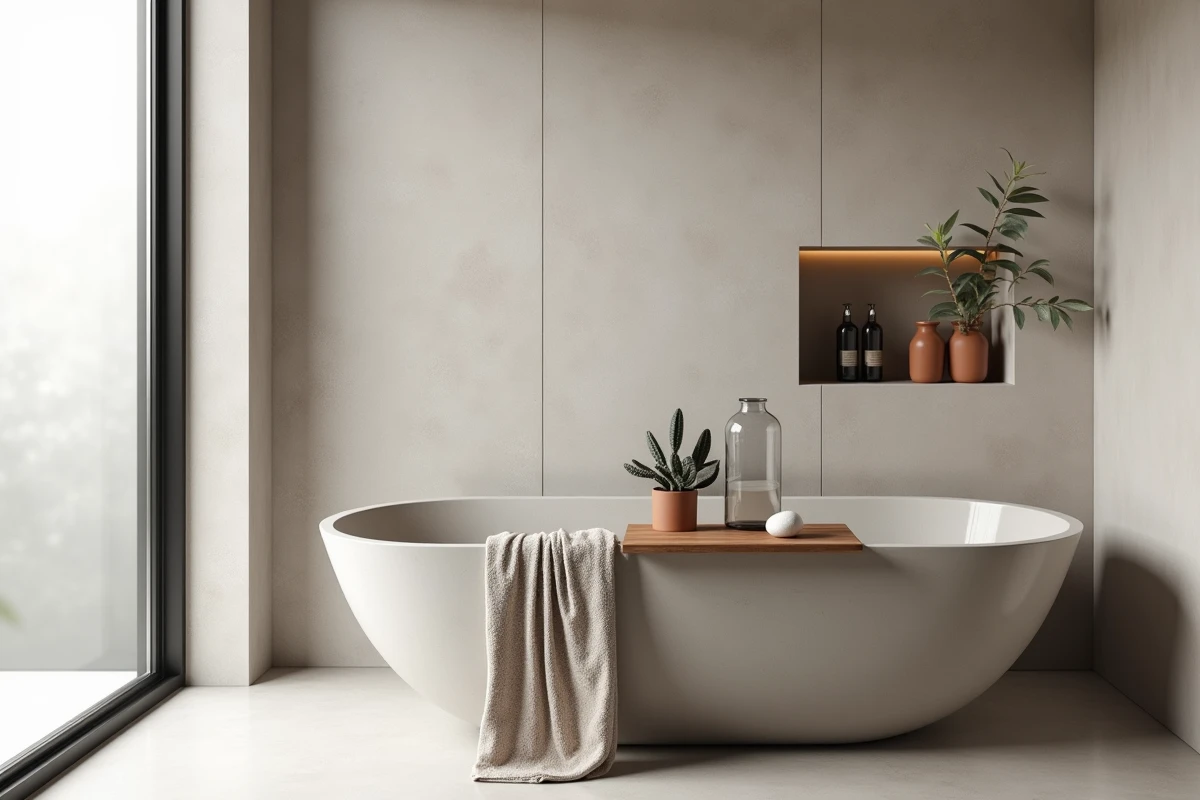
Decluttering does not mean radical minimalism. It is about distinguishing objects that contribute to sensory comfort (a throw, a candle, a ceramic vase) from those that occupy space without function or visual pleasure. Every object kept should have a use or evoke an emotion: the rest clutters, even when organized.
The ideal number of decorative objects per room varies depending on the space and uses. The only observable constant is that spaces where one feels good share immediate readability: upon entering, the gaze knows where to settle effortlessly.